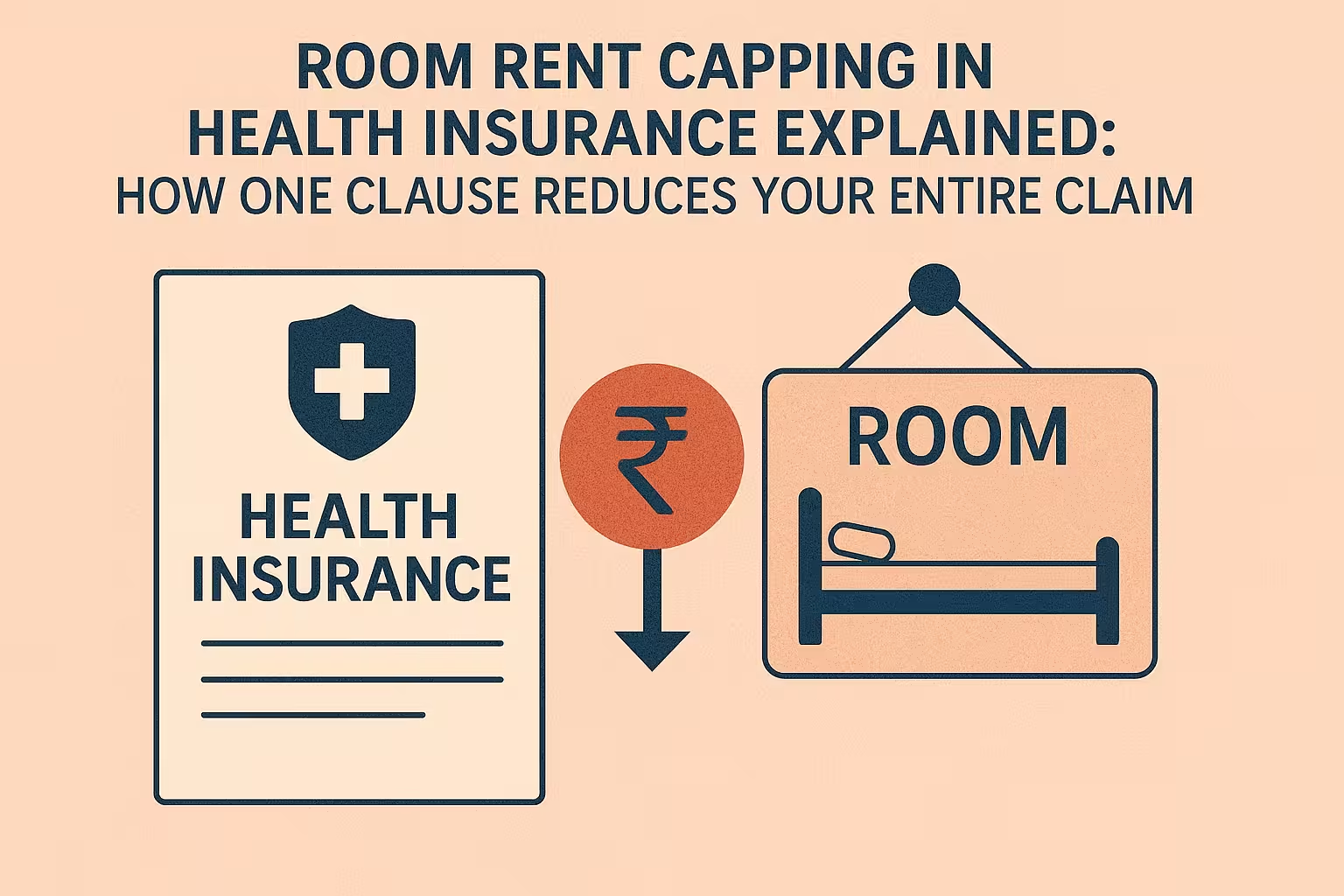
Room rent capping is one of the most misunderstood clauses in Indian health insurance.
It looks harmless on paper, but it quietly reduces claim payouts by thousands.
This article explains what room rent capping is,
how it affects hospital bills,
and why it leads to major deductions even when your total sum insured is high.
What Is Room Rent Capping?
Room rent capping means your health insurance policy limits
how much it will pay per day for your hospital room.
For example:
- Allowed room rent: ₹5,000 per day
- Chosen room rent: ₹8,000 per day
At first glance, it looks like you only pay the difference.
That assumption is wrong.
The Dangerous Part: Proportionate Deduction
When room rent capping applies,
insurers often use proportionate deduction.
This means:
- If you choose a room 60% costlier than allowed
- The insurer may pay only 60% of linked expenses
This affects:
- Doctor fees
- Nursing charges
- ICU costs
Room rent capping does not just affect the room.
It affects the entire bill.
Why Insurers Use Room Rent Capping
Insurers use room rent limits to:
- Control overall treatment costs
- Prevent luxury hospital upgrades
- Standardize billing
Higher room categories trigger higher service charges across departments.
Room rent capping exists to control this escalation.
Room Rent Capping and ICU Charges
Many policyholders believe ICU is exempt.
Often, it is not.
If ICU costs are linked to room category,
proportionate deductions may apply.
This is why ICU bills often exceed expectations.
To understand how ICU billing works,
read this breakdown:
ICU Charges in Private Hospitals in India: What You Are Actually Paying For
How Room Rent Capping Affects Cashless Insurance
Cashless approval does not cancel room rent rules.
Insurers approve estimates first.
Final deductions happen after bill audit.
This is why many patients face payment demands at discharge,
even after cashless approval.
To understand the full cashless process,
read this guide:
Cashless Health Insurance in Private Hospitals in India: The Complete Reality
Corporate vs Retail Policies: A Big Difference
Corporate group policies often:
- Have no room rent capping
- Allow single private rooms
Retail individual policies:
- Usually include room rent limits
- Apply proportionate deductions
This is why corporate claims face fewer deductions.
How to Avoid Room Rent Capping Deductions
- Confirm room eligibility before admission
- Avoid voluntary room upgrades
- Ask the hospital to recommend eligible rooms
These steps significantly reduce claim losses.
Why Most Policyholders Miss This Clause
Room rent limits are often buried deep in policy wording.
Sales conversations focus on:
- Sum insured
- Cashless network
Room rent capping is rarely explained clearly at purchase.
Final Reality Check
Room rent capping is not unfair.
It is a cost-control mechanism.
But ignoring it can reduce your claim more than any other clause.
Understanding this single rule protects you
better than increasing your sum insured blindly.