When hospital bills arrive unexpectedly, most Indian families face the same question:
how to pay without draining savings.
Two options are commonly offered:
- Medical loans
- Credit card EMI
Both look convenient.
Both have hidden costs.
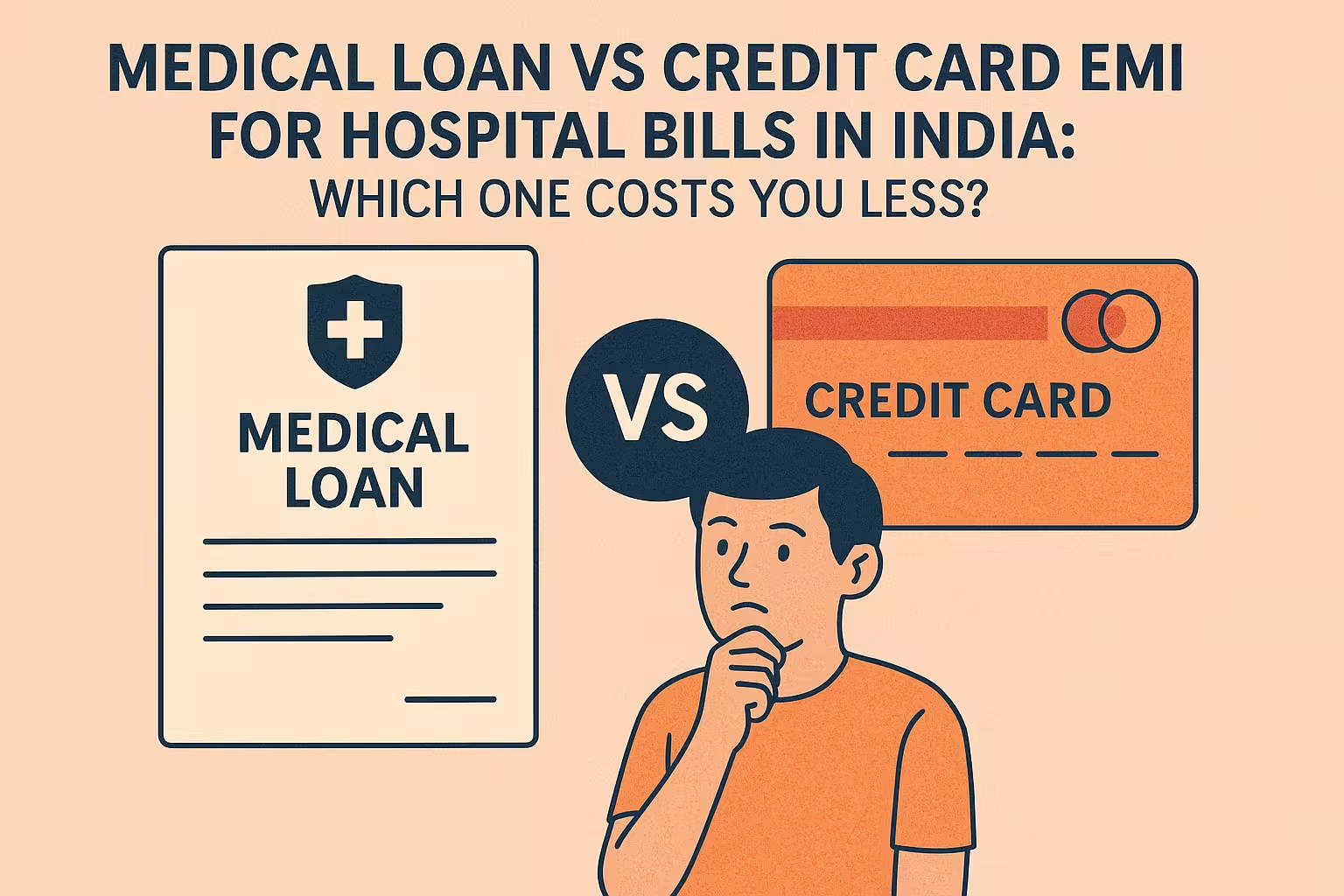
This article explains medical loan vs credit card EMI clearly,
so you understand which option actually costs less in real situations.
The Real Problem Is Timing, Not Just Money
Hospital expenses demand immediate payment.
Insurance settlements often come later.
That gap forces patients to borrow.
Understanding borrowing costs matters more than the interest rate headline.
What Is a Medical Loan?
A medical loan is a personal loan offered specifically for healthcare expenses.
These are provided by:
- Banks
- NBFCs
- Hospital finance partners
Medical loans are usually processed faster than regular personal loans,
but approval still depends on credit profile.
What Is Credit Card EMI for Hospital Bills?
Many hospitals allow bills to be converted into EMIs using credit cards.
This can happen:
- At the billing desk
- After the transaction, via the card issuer
Credit card EMI feels instant.
The cost is less obvious.
Interest Rates: What Looks Cheaper Often Is Not
Medical Loan Interest Rates
- Usually lower than credit cards
- Fixed EMIs
- Longer tenure options
Credit Card EMI Costs
- Higher effective interest
- Processing fees
- Foreclosure charges
Zero-interest EMI offers often include hidden charges.
Approval Speed and Accessibility
Credit card EMIs are:
- Instant
- Based on existing credit limit
Medical loans:
- Require documentation
- May take longer to process
Speed favors credit cards.
Cost usually favors medical loans.
Impact on Credit Score
Credit card EMIs:
- Increase credit utilization
- Can impact credit score quickly
Medical loans:
- Show as personal loans
- Have predictable repayment schedules
High utilization on cards affects future borrowing capacity.
Hidden Charges People Ignore
Common overlooked costs include:
- Processing fees
- GST on interest
- Late payment penalties
These charges accumulate silently over time.
Which Option Works Better in Real Situations?
Short-term cash gap (1–3 months):
Credit card EMI may be manageable if repaid quickly.
Large hospital bills or long recovery:
Medical loans are usually cheaper and safer.
The wrong choice can multiply stress after discharge.
How This Connects to Cashless Insurance
Borrowing is often needed because:
- Insurance approvals are partial
- Non-payable items are excluded
To understand why cashless insurance still leaves payment gaps,
read this detailed guide:
Cashless Health Insurance in Private Hospitals in India: The Complete Reality
Key Takeaways
- Credit card EMI is faster but often costlier
- Medical loans require effort but reduce long-term burden
- Borrowing choice affects recovery, not just finances
The cheapest option is the one you can repay comfortably.
Final Reality Check
Medical emergencies force financial decisions under pressure.
Understanding borrowing options in advance
prevents panic-driven choices when it matters most.
Loans and EMIs are tools — not solutions.
Use them with full awareness of their cost.